
Why is the introduction of Heat Pumps so important to the South African Market
A heat pump is like a conventional air conditioner except it also can provide heat in winter. In the summer, the heat pump collects heat from the house and expels it outside. In the winter, the heat pump extracts heat from outside air and circulates it inside the house. The heat pump works best when the outdoor temperature is above freezing. Below that, supplementary heat often is needed.
A heat pump can save 30 to 60 percent less energy to supply the same heat when compared to an electric furnace with a resistance heating element.
- Consumers can make substantial Rand Value and kw savings when choosing a heat pump as an alternative energy source.
- A simulation carried out by Eskom has proved that conservatively in the comm. & indust sector 32MW of energy can be saved with the introduction of heat pumps Eskom is enforcing industry to make substantially KW savings to reduce the total electricity load in South Africa. The introduction of penalty charges is already in process to ensure that these cost savings are achieved.
- Heat pumps are environmentally friendly as they reduce the load of Eskom to produce more energy, further the refrigerants used are also ozone friendly
How Does a Heat Pump Work?
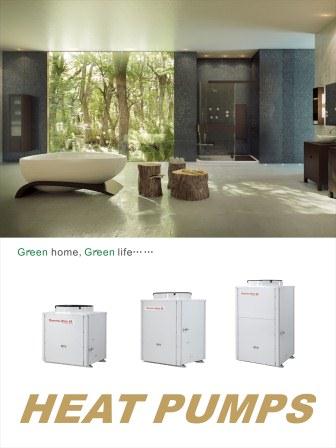
Heat Pumps vs Solar
Heat Pump
- Not dependant on weather conditions to heat.
- Does not require large areas/space for installation
- Can achieve minimal payback period of 1 year
- Ease of installation and maintenance
- Waste cold air can be utilised to further reduce energy cost.
Solar
- 100% dependant of weather conditions
- Requires large areas/space to install
- Minimal payback period of 3.5 years
- Requires a more technical installation than Heat Pump and maintenance can be complex.